
Non-native species (such as plants, animals, or pathogens) that are brought into a new area may spread rapidly and widely and cause major harm to the native ecosystem and humans. When this happens, they are considered to be invasive species. One of the reasons that invasive species are able to thrive in a new ecosystem is that they often do not have the predators and competitors they had in their native ecosystem. Without these natural checks and balances they are able to reproduce rapidly and out-compete native species. The net result is a loss of diversity of native plants and animals as invasive species multiply and take over. Invasive species are the second most significant reason, after habitat loss, for the loss of global biological diversity and cost upwards of $150 billion annually in the United States.
Invasive species can live on the land (terrestrial) or in the water (aquatic). Learn more about awareness, prevention, and management of terrestrial invasive species in Wisconsin and Dane County in the links below. To learn about invasive species that live in the water, visit the Aquatic Invasive Species webpage.
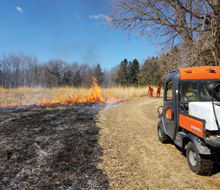
The Natural Areas Program works to remove invasive species and restore native communities in Dane County Parks using a variety of management tools. Learn more about methods, management plans, and find an interactive project map using the links below.
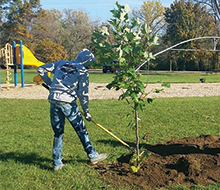
Dane County is losing tree canopy due to invasive species like Emerald Ash Borer and Spongy Moth, along with disease, drought, construction, and storms. Staff address these impacts through tree planting and preservation programs. Learn more on our Forestry webpage.
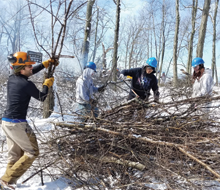
Volunteers play a critical role in identifying and controling invasive species in Dane County through brush removal, controlled burning, restoration workdays and more. Use the links below to find opportunities to get involved.
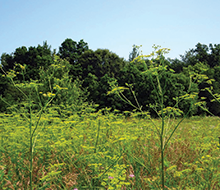
The links below provide information about Wisconsin’s invasive species rule, Wis. Admin. Code NR 40 (DNR), which makes it illegal to possess, transport, transfer, or introduce certain invasive species without a permit, prevention tips from DNR and fact sheets from UW Extension.